





Monthly Review - July 2026
In brief
The markets

-0.1%
1.3%
0.9%
0.5%
2.5%
1.6%
3.5%
-1.1%
0.2%
Source: Bloomberg 31.07.2026, returns in local currency
Top stories

Oil price whipsaws
Hopes for an end to the Middle East conflict were dashed, as hostilities resumed. Shipments of crude oil through the Strait of Hormuz stalled and the oil price shot above US$100, before dropping sharply as a ceasefire was briefly restored. Fears of a spike in inflation were briefly reignited, although the ECB held rates steady while the new chair of the US Federal Reserve (Fed) pledged that elevated inflation will become a “thing of the past”. In the US, the price of petrol climbed above US$4 per gallon, a pain point for consumers which could play badly at the looming midterm elections.
Testing times
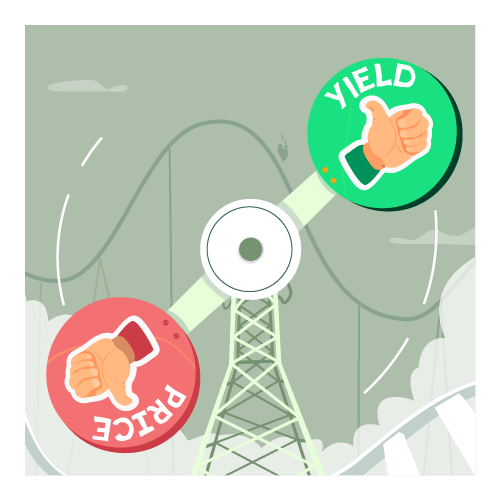
The bond markets responded to the renewed inflation threat in typical fashion. Bond yields rose, as prices fell. Elsewhere, the tech sector experienced a sharp pull back, as confidence in high valuations and the AI revolution was shaken. Since early June, the Nasdaq hit correction territory, falling 10% from highs, while the Korean KOSPI index, heavily weighted to AI chipmakers, lost more than a third of its value. In China, the ‘national team’ of state owned funds weighed in with support for tech shares. Meanwhile, the Bank of England warned that sharp price falls in the tech sector could damage economic growth.

IPO highs and lows
Korean chip manufacturer SK Hynix listed ADRs (American Depositary Receipts) on New York’s Nasdaq market, in the biggest ever share sale by a foreign company. The ADRs enjoyed strong initial buying interest, before profit taking set in. Chinese AI start-up DeepSeek returned to the market only a month after its first funding round, looking for cash to build its own data centre and to purchase more AI chips. Meanwhile, after a stratospheric rise following its June IPO, shares in space and AI group SpaceX fell below their issue price, wiping over US$1 trillion from the company’s market value.
Geopolitics boost cleantech financing
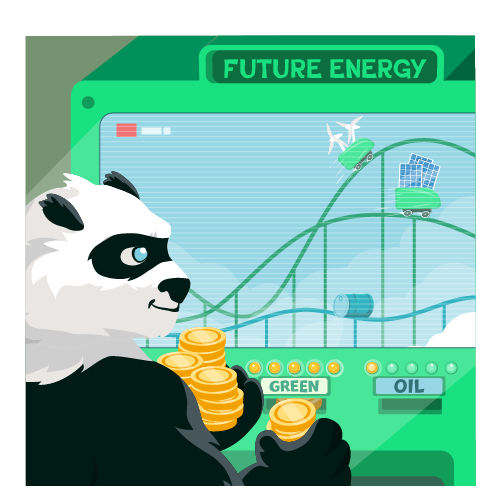
China’s Belt and Road initiative (BRI), the president’s flagship overseas infrastructure investment programme, is reported to have increased green energy financing to over US$20 billion in the first half of 2026, as the Middle East conflict boosted demand for cheaper renewables. Customs data also pointed to a surge in cleantech exports. The Asia Society Policy Institute highlighted the BRI’s rising engagement with private versus state-owned enterprises, reflecting more commercially driven investment decisions. The rise in private sector participation is believed to underscore the competitiveness and technological maturity of China’s cleantech sector.
On the radar

As conflicts in Ukraine and the Gulf continue, attention will focus on whether sideline meetings between the US president and the leaders of Ukraine and Israel at the late US Senator Lindsey Graham’s memorial service might generate fresh diplomatic momentum.
After a recent poll in Japan showed that the Takaichi administration’s approval ratings had reached a record low, investors and households will be watching closely for concrete measures to curb inflation and ease living costs, in order to restore public confidence.
The people of Iceland will have a referendum in late August on whether to restart accession negotiations with the European Union. While membership could bolster the world’s most expensive country against trade headwinds, it might also risk opening Iceland’s rich fishing waters to foreign fleets.